
Chilwell could still play ‘vital role’ for England at World Cup – Hitzlsperger
Video credit: TNT Sports
The proposal from FIFA to include checks on whether corners should be awarded was declined at October’s International Football Association Board (IFAB) meeting.
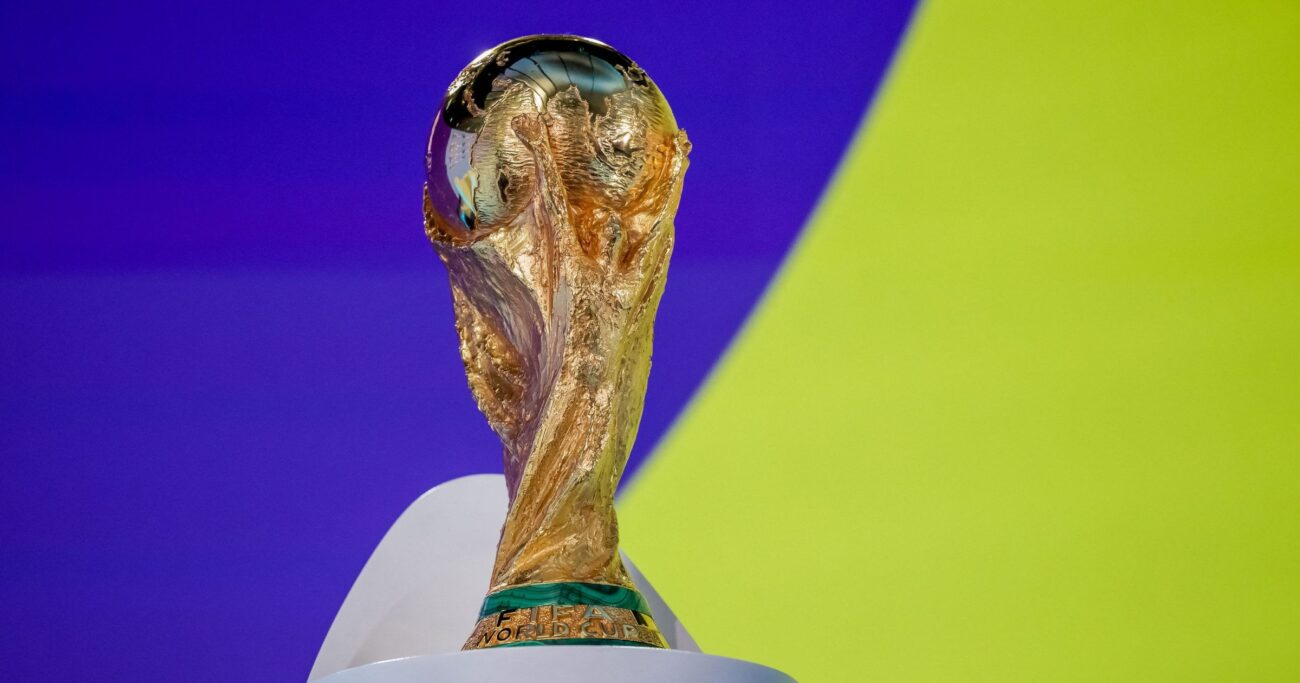
Nonetheless, FIFA plans to proceed with corner reviews at the World Cup, which takes places in the USA, Mexico and Canada next summer.
With the proposal not accepted by the domestic leagues, FIFA will have to run a trial rather than implement it as a law of the game.
In the October meeting, clubs did accept expanding VAR to look at incorrect second yellow cards that lead to red cards, which means that will now likely become part of VAR officiating.
/origin-imgresizer.tntsports.io/2025/11/19/image-3a12fdda-6eee-46cb-b0bb-ecb2a2d07b92-85-2560-1440.jpeg)
Emotional scenes as Curacao become smallest nation to qualify for World Cup
Video credit: SNTV
The next IFAB meeting is in January, where it is expected that FIFA will again propose looking at the awarding of corners.
It is understood that leagues have declined VAR’s expansion into looking at corners for a simple reason: delays.
With goals and penalties regularly checked in a game, as well as serious foul play, should corners be introduced, it would add further pressure on the officials to both get the decision right and to do so in a timely manner.
They are already under strain in comparison to FIFA’s resources, with only two VAR officials appointed per game in the Premier League, compared to five for each match at the 2022 World Cup.
FIFA’s new Adidas ball will also contain technology which allows for a clear distinction between which player had the last touch, allowing for an instant decision to be made. This is not possible in domestic leagues.
Within their proposal for the change in the game, whether that be a law change at IFAB level or a trial at the 2026 World Cup, FIFA has made it clear it believes the inclusion of corners being checked will not dramatically slow the game down.
One of the possible issues is that every single corner will have to be checked, as once the ball is live again, the decision cannot be reversed, even if it becomes clear the decision was wrong.
FIFA believes, both through the fact that most corners are fairly obvious and with their resources, that they can make decisions quickly and not impact the game.
Initially, VAR was brought in to check clear and obvious mistakes surrounding goals, penalties and red cards.
The addition of corners will be the first new addition to VAR since its inception, with checking second yellow cards also due to follow.
The two drastic new additions to VAR could well see a radical shift in the way football is officiated globally.
On January 20, 2026, a formal proposal will be presented during the next IFAB meeting in London regarding the second yellow card checks.
/origin-imgresizer.tntsports.io/2025/11/18/image-da07ecb3-1858-446f-b7f6-be28ea4418ca-85-2560-1440.jpeg)
‘Let’s make it a big party’ – Suriname eye historic World Cup place
Video credit: SNTV
Should that be approved, which seems possible after domestic acceptance, it could become part of the summer showpiece and from then become a permanent change to VAR officiating.
FIFA is also running a trial at the ongoing FIFA Arab Cup to eradicate time-wasting, with players having to leave the field for two minutes if they go down injured, unless the challenge that caused it results in a yellow or red card.
Now it could also be the tournament which sees the officiating of the game forever changed.
